
Atlanta’s interstate system is among the busiest in the Southeast. High traffic volume, ongoing construction, and frequent congestion create conditions in which a single moment of negligence can trigger a chain reaction involving multiple vehicles. When multi-vehicle pileups occur, the physical damage is often severe, and the legal analysis becomes significantly more complex than in two-vehicle collisions.
In such cases, determining legal responsibility requires careful examination of the sequence’s initiation, each driver’s response, and whether external factors contributed to the outcome.
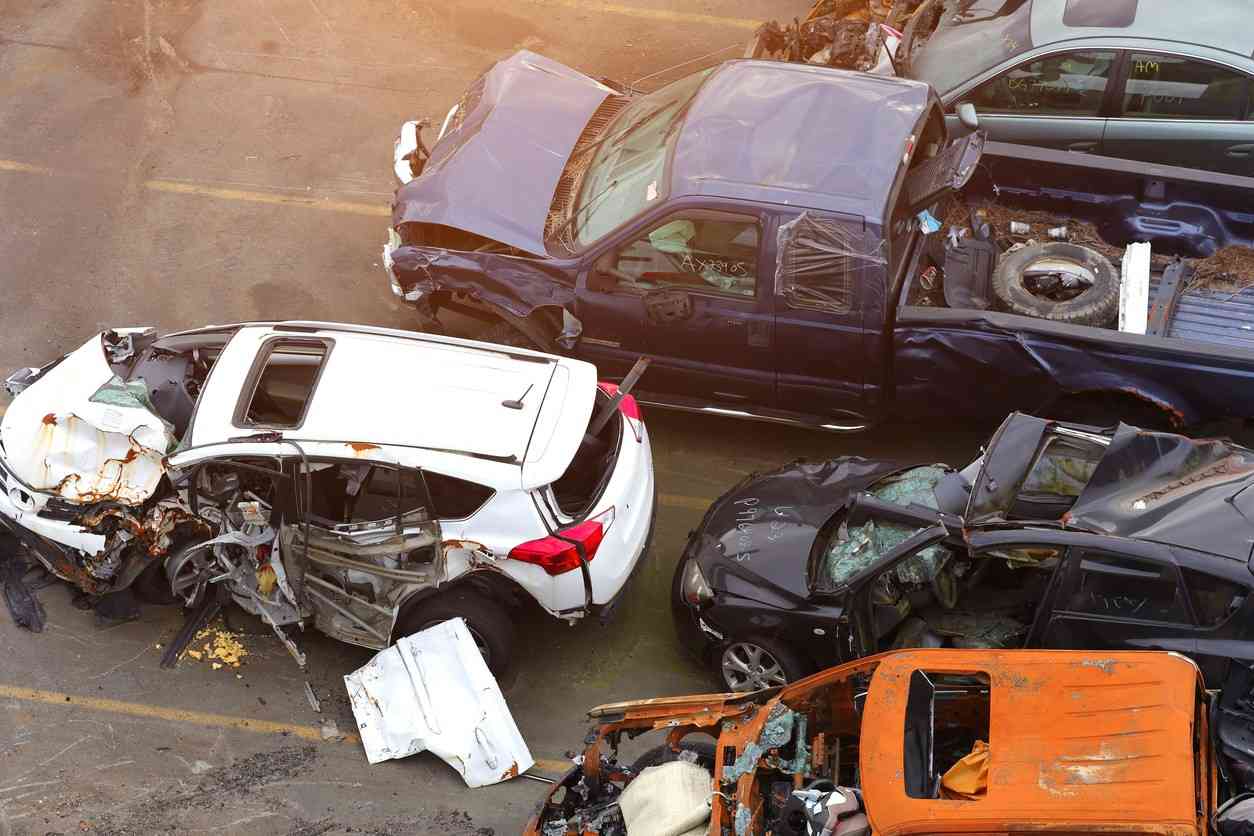
Why Pileups Are Legally Different From Two-Vehicle Collisions
In most two-vehicle collisions, liability centers on a single primary act of negligence. Multi-vehicle pileups involve multiple impacts, multiple drivers, and multiple decision points.
Important questions include:
- Who caused the initial event?
- Which drivers failed to react appropriately?
- Whether any vehicles were already stopped or disabled.
- Whether road conditions or visibility played a role.
Each layer adds complexity to the liability analysis.
The Initial Triggering Event
Every pileup starts somewhere. The first harmful act often sets everything in motion.
Common triggering events include:
- Sudden lane changes.
- Following too closely.
- Distracted driving.
- Speeding in congested traffic.
- Sudden stops without adequate space.
Identifying this initial act is critical, but it is rarely the end of the story.
Secondary and Tertiary Negligence
Drivers who did not cause the first impact may still share responsibility.
Examples include:
- Failing to maintain a safe following distance.
- Driving too fast for conditions.
- Failing to brake in time.
- Changing lanes into unfolding chaos.
Liability can be apportioned among multiple drivers based on their individual conduct.
Chain-Reaction Impact Patterns
Physical evidence helps establish the sequence of events.
Investigators analyze:
- Vehicle crush patterns.
- Point-of-impact locations.
- Debris fields.
- Skid marks.
- Final resting positions.
This evidence helps determine who struck whom and in what order.
The Role of Commercial Vehicles in Pileups
Large trucks are often involved in interstate pileups due to longer braking distances and reduced maneuverability.
When commercial vehicles are involved, additional issues arise, including:
- Driver fatigue.
- Schedule pressure.
- Brake system condition.
- Compliance with federal safety regulations.
Commercial entities may become part of the liability picture alongside individual drivers.
Comparative Negligence in Georgia Pileup Cases
Georgia’s modified comparative negligence system allows fault to be divided among multiple parties.
Each driver’s percentage of fault affects compensation. This makes accurate fault allocation especially important.
Small shifts in fault percentages can have large financial consequences.
Why Insurance Companies Dispute Pileup Claims
Pileups involve multiple insurers, multiple defense attorneys, and competing narratives. Each insurer attempts to minimize its own exposure by shifting blame elsewhere.
Common tactics include:
- Claiming another driver caused everything.
- Arguing that injuries came from a different impact.
- Downplaying injury severity.
Strong evidence is essential to cut through these defenses.
Evidence That Helps Clarify Responsibility
Successful pileup cases rely on a comprehensive investigation.
Our attorneys may use:
- Police reports and diagrams.
- Traffic camera footage.
- Dash camera video.
- Event data recorder information.
- Cell phone records.
- Witness statements.
- Reconstruction expert analysis.
The goal is to build a cohesive timeline.
How Our Attorneys Approach Multi-Vehicle Pileup Litigation
Pileup cases require a methodical, layered approach.
Our attorneys focus on:
- Preserving time-sensitive evidence.
- Identifying all involved parties.
- Working with reconstruction experts.
- Evaluating commercial vehicle involvement.
- Pursuing claims against every responsible entity.
This strategy helps ensure accountability reflects reality.
Speak With Our Atlanta Personal Injury Lawyers About Your Multi-Vehicle Pileup
If you or someone you love was seriously injured in a multi-vehicle pileup on an Atlanta interstate, understanding who may be responsible is essential. Our Trusted Atlanta personal injury lawyers at Ashby Thelen Lowry may be able to take your case and evaluate the layered liability issues involved.
Speaking with our attorneys can help clarify how fault may be assigned and the steps available going forward. Call (404) 777-7771 or contact us online to schedule a free consultation and learn how we can review your case with the attention it deserves.