Tabletop Fire Pit Burn Injury Lawyer
Decorative tabletop fire pits have become popular for patios, dining tables, apartments, and small outdoor spaces. Many of these compact devices burn liquid fuels such as isopropyl alcohol and are marketed as stylish, portable fire features. Unfortunately, these products have been linked to devastating burn incidents involving sudden flare-ups, fuel spills, and violent bursts of flame.
When a tabletop fire pit malfunctions or spreads burning fuel, the results can be catastrophic. Victims may suffer severe burns to the face, hands, chest, or legs. In many cases, the fuel ignites clothing or skin, making it extremely difficult to extinguish.
Reports of serious injuries and deaths have prompted recalls, government warnings, and product liability claims against manufacturers, distributors, and online retailers that sold these products nationwide.
If you or someone you love suffered burn injuries connected to a tabletop fire pit, you may have the right to pursue a tabletop fire pit lawsuit. Our attorneys represent burn victims across the United States, including Georgia and South Carolina, and consultations are always free. You pay nothing unless we obtain compensation for you.
What Is a Tabletop Fire Pit and Why Are They So Dangerous?
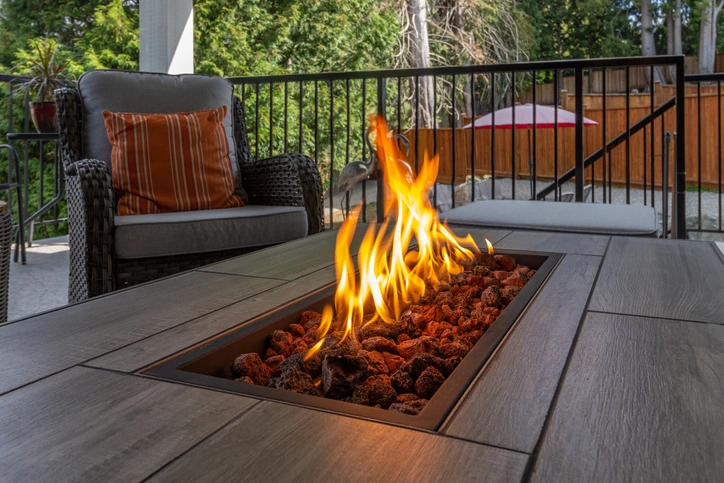
Tabletop fire pits are small decorative fire features designed to sit on a table or flat surface. Many models are fueled by liquid alcohol or similar flammable substances and are marketed for both indoor and outdoor use.
While these products appear simple, the design of many alcohol-fueled units creates significant hazards.
Liquid fuels such as isopropyl alcohol burn with flames that can be difficult to see. This can lead users to believe the fire has gone out when it has not. When additional fuel is poured into the container, the vapors can ignite instantly, creating a sudden jet of flame.
Several mechanisms contribute to the risk posed by these products, which may cause:
- Flame Jetting and Sudden Flare-Ups
Flame jetting occurs when fuel vapors ignite explosively. Instead of a controlled flame, the device can produce a burst of fire that shoots outward toward anyone nearby.
- Fuel Spills and Splashing
Many tabletop fire pits contain open liquid-fuel reservoirs. If the unit tips or is overfilled, the fuel can spill onto surfaces, clothing, or skin. Once ignited, the burning liquid spreads quickly.
- Difficulty Extinguishing Burning Fuel
When alcohol-based fuel ignites on clothing or skin, it can burn intensely and continue spreading. Victims may struggle to extinguish the flames before suffering serious injuries.
Because of these factors, tabletop fire pit incidents frequently lead to:
- Full-thickness burns, resulting in third- or fourth-degree burn injuries.
- Permanent scarring and disfigurement.
- Multiple surgical procedures.
- Long-term physical and emotional trauma.
Recent Recalls, Warnings, and Investigations
Government agencies and consumer safety organizations have issued warnings about alcohol-fueled tabletop fire pits after numerous reports of severe burn injuries.
The Consumer Product Safety Commission has taken action involving several products after identifying dangerous design features linked to flame jetting and fire hazards.
Investigations and recalls have involved products sold by national retailers and online marketplaces.
Reports associated with these products include:
- Dozens of serious burn injuries.
- Multiple deaths linked to flame jetting hazards.
Some tabletop fire pits were sold through major retailers and online marketplaces, including Amazon. Others were distributed through discount stores and home décor retailers.
Because some tabletop fire pits have been recalled or linked to severe burn incidents, anyone injured while using one should consider having the product evaluated. An experienced burn injury lawyer can investigate whether a design defect, manufacturing problem, or inadequate warning contributed to the incident.
A consultation with our attorneys is free, and there is no fee unless we obtain compensation for you.
Common Causes of Tabletop Fire Pit Burn Injuries
Burn incidents connected to tabletop fire pits often involve product design issues, fueling hazards, or inadequate warnings.
Product Design and Manufacturing Defects
Some tabletop fire pits contain structural flaws that increase the risk of severe burns.
Examples include:
- Unstable bases that tip easily during use.
- Open fuel reservoirs that allow liquid to splash or spill.
- Lack of flame guards or flame arrestors.
- Materials that become dangerously hot during operation.
Fueling and Refueling Dangers
Liquid fuel handling presents one of the greatest risks associated with these products.
Common hazards include:
- Pouring fuel into a unit that is still hot or actively burning.
- Vapor ignition that creates sudden bursts of flame.
- Fuel containers that resemble common household bottles create confusion.
Lack of Adequate Warnings or Instructions
Many tabletop fire pits have been criticized for insufficient safety instructions.
Consumers may not receive clear guidance about:
- The dangers of refueling a warm fire pit.
- Safe distances from people or flammable materials.
- Proper ventilation and indoor use risks.
- Safety precautions around children or pets.
When manufacturers fail to provide adequate warnings, they may be held responsible for resulting injuries.
Injuries Commonly Seen in Tabletop Fire Pit Cases
Burn injuries caused by tabletop fire pits are often severe and life-altering. The burning liquid can spread across the body or ignite clothing, leading to extensive tissue damage.
Victims frequently experience:
- Second-degree burns.
- Third-degree burns.
- Burns affecting the face, hands, torso, and legs.
- Skin graft surgeries.
- Multiple reconstructive procedures.
- Permanent scarring or disfigurement.
Recovery from serious burns can take months or years. Many victims require ongoing medical care, physical therapy, and psychological support.
Beyond the physical injuries, burn survivors often face significant lifestyle disruptions. Some individuals are unable to return to their previous occupations, particularly if their work involves physical activity or public interaction.
Who May Be Liable in a Tabletop Fire Pit Lawsuit?
Product liability claims involving tabletop fire pits may involve multiple responsible parties.
Potential defendants may include:
- Product manufacturers.
- Importers or distributors.
- Online marketplaces and retailers.
- Companies that private-label the product.
Several legal theories may apply in these cases, including:
A design defect claim alleges that the product is inherently dangerous because of its design. In tabletop fire pit cases, this may involve open fuel reservoirs or failure to include safety mechanisms.
Manufacturing defects occur when a specific product unit is produced incorrectly or contains faulty components.
Manufacturers must provide clear instructions and warnings about foreseeable dangers. When warnings are missing or inadequate, consumers may unknowingly face serious risks.
Compensation Available for Burn Victims and Families
Burn injuries often involve extensive medical treatment and long-term consequences. Compensation in a tabletop fire pit lawsuit may address many types of damages.
Depending on the state in which your fire pit burn injuries occurred, potential compensation may include:
- Past and future medical expenses.
- Surgical procedures and rehabilitation.
- Lost income and reduced earning capacity.
- Pain and suffering.
- Emotional distress and psychological trauma.
- Permanent scarring and disfigurement.
- Loss of enjoyment of life.
In fatal burn cases, depending on the state in which the fire pit burn fatality occurred, families may pursue a wrongful death claim that seeks compensation for:
- Funeral and burial expenses.
- Loss of financial support.
- Loss of companionship and guidance.
Every case is unique, and results vary based on the facts and evidence involved.
What to Do After a Tabletop Fire Pit Burn Injury
The actions taken immediately after a burn incident can affect both health outcomes and potential legal claims.
Important steps include:
- Seek emergency medical treatment immediately.
- Preserve the tabletop fire pit and fuel container if possible.
- Save packaging, manuals, and purchase receipts.
- Take photographs of the product and the scene.
- Document injuries and healing progress.
- Collect witness contact information.
- Avoid posting details about the incident on social media.
- Contact our burn injury lawyers as soon as possible.
Early legal involvement can help preserve evidence and identify responsible parties.
How Our Firm Handles Tabletop Fire Pit Cases
Our attorneys represent burn victims nationwide in complex product liability claims involving dangerous consumer products.
Our approach includes:
- Conducting thorough investigations into product design and manufacturing.
- Working with burn surgeons and medical experts.
- Consulting fire investigators and engineering specialists.
- Analyzing distribution and retail channels.
Although we represent burn victims nationwide, our firm is headquartered in Georgia, with attorneys also practicing in South Carolina who regularly litigate complex product liability and catastrophic injury cases. Consultations are free, and our firm handles cases on a contingency fee basis. Clients pay nothing unless we obtain compensation.
Time Limits for Filing a Claim
Each state has laws that limit the time available to file a product liability claim.
These deadlines vary by jurisdiction and the circumstances of the injury. Missing the applicable deadline can prevent a claim from moving forward.
For that reason, it is important to speak with a lawyer as soon as possible to determine the time limits that apply to your case.
Contact Our Tabletop Fire Pit Burn Injury Lawyers
Burn injuries caused by defective tabletop fire pits can change a person’s life in an instant. Victims often face extensive medical treatment, permanent scarring, and significant financial stress.
Our attorneys represent burn victims nationwide and are prepared to investigate tabletop fire pit claims involving products sold online or through major retailers.
We offer free consultations and handle cases on a contingency basis.
Contact our team today to discuss your legal options.
Frequently Asked Questions About Tabletop Fire Pit Burn Injury Claims
Yes. In many cases, a claim may still be possible even if the product was purchased several years before the injury occurred. Product liability claims are generally based on the date of the injury rather than the date of purchase.
Additionally, if a recall or safety warning was issued after the product was sold, that information may become relevant to the claim. An attorney can evaluate the timeline and determine whether the applicable statute of limitations allows a case to move forward.
A person injured by a defective product does not need to be the original purchaser to pursue a claim. If the product caused harm due to a design defect, manufacturing defect, or inadequate warnings, the injured individual may still have legal rights. Evidence such as packaging, photographs, or witness statements can help identify the specific product involved.
Having the product can be very helpful, but it is not always required. In many cases, investigators can identify the model through photographs, purchase records, packaging, or retailer information. However, if the fire pit is still available, it should be preserved in its post-incident condition so experts can evaluate it.
Products sold through online marketplaces may involve multiple companies in the distribution chain. The manufacturer, importer, third-party seller, or even the marketplace itself may play a role in the product’s sale and marketing.
Determining which parties may be responsible often requires investigating how the product was manufactured, labeled, and distributed.
Yes, in some situations. When businesses use tabletop fire pits for ambiance or outdoor dining, they must ensure that the products are reasonably safe and used appropriately. If a defective fire pit is used in a commercial setting, or if the establishment fails to follow reasonable safety practices, liability may extend beyond the product manufacturer.
These cases often require specialized experts to analyze both the injuries and the product involved. Experts may include:
- Fire investigators who analyze ignition patterns and flame behavior.
- Mechanical or product design engineers who evaluate structural defects.
- Burn surgeons and medical specialists who assess the severity and long-term impact of injuries.
- Safety experts who evaluate whether warnings and instructions were adequate.
Expert analysis can be critical in establishing how the product malfunctioned and why the incident occurred.
A fire pit tipping over may raise questions about product stability and design safety. Some tabletop fire pits may have bases that are too narrow or lightweight to remain stable during normal use. If a design makes the product prone to tipping, the manufacturer may be held responsible for the resulting injuries.
Yes. Because these devices are often used on dining tables or coffee tables, children may be within proximity to open flames or fuel containers. A child may accidentally touch the device, bump the table, or attempt to interact with the flame. Product designers must consider foreseeable risks involving children when designing consumer products.
The timeline varies depending on the case’s complexity. Product liability claims often involve detailed investigations, expert evaluations, and negotiations with multiple companies. Some cases resolve through settlement, while others proceed to litigation.
The length of a case can depend on factors such as the severity of injuries, the number of responsible parties, and whether the manufacturer disputes liability.
Yes. If a specific tabletop fire pit model has caused injuries to multiple individuals, each victim may pursue a claim individually. In some situations, related cases involving the same product may be coordinated or handled as part of broader litigation involving a defective consumer product.
No. A recall may serve as evidence that a product poses a safety risk, but it does not automatically result in compensation for injured individuals. To recover damages, a claimant must still demonstrate that the defective product caused the injuries and that the responsible company is legally liable.
Fuel containers themselves may present safety issues. Some containers resemble common household bottles, which may lead users to misunderstand their contents or misuse the fuel. If the packaging or labeling of the fuel product contributed to the injury, the fuel manufacturer or distributor may also be involved in the claim.