
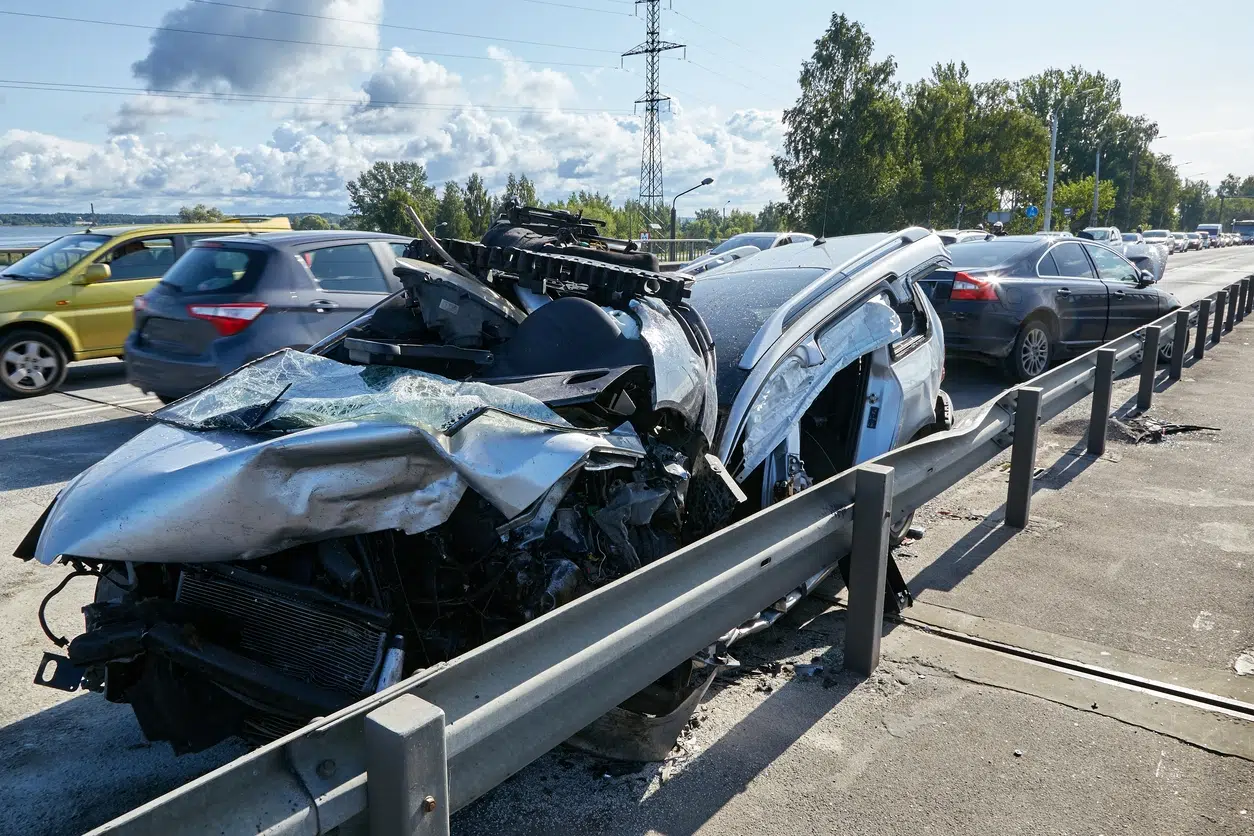
Atlanta’s transportation network has always been busy, but the pace of growth in recent years has transformed congestion into something far more dangerous. Rapid population growth, expanding commercial development, and rising freight activity have contributed to heavier traffic across the metro area. As a result, collisions occurring on Atlanta’s roads are not only more frequent but significantly more severe. Understanding why this shift is happening and how it affects victims is essential for anyone injured on Georgia’s highways or surface streets.
Atlanta’s Population Boom and Congested Roadways
Metro Atlanta continues to rank among the fastest-growing regions in the country. New residential communities, sprawling commercial hubs, and dense urban redevelopment bring tens of thousands of additional vehicles onto the roads every year. Popular corridors like the Downtown Connector, I-285, I-75, I-85, and I-20 experience some of the worst congestion in the Southeast.
When roadways operate beyond capacity, drivers have less time and space to react. Heavy stop-and-go traffic, sudden merging, and frequent lane changes all heighten the risk of severe collisions. Even minor misjudgments can lead to multi-vehicle chain reactions, especially during peak travel hours.
Freight Expansion Is Intensifying Traffic Strain
Atlanta’s geographic position as a logistics hub connects the region to the Port of Savannah, Hartsfield-Jackson, and distribution centers throughout Fulton, Clayton, and DeKalb Counties. The surge in freight activity means more tractor-trailers moving through an already crowded network.
Large commercial vehicles require longer stopping distances, wider turning radii, and greater space to maneuver safely. When they mix with dense commuter traffic, the likelihood of catastrophic harm increases dramatically. Heavy trucks can turn a routine collision into a devastating one, especially on high-speed interstates and multi-lane interchanges.
Distracted Driving Plays a Growing Role
Metro Atlanta has experienced a sharp rise in distraction-related roadway events. Smartphones, in-vehicle screens, navigation tools, and multitasking behind the wheel have become leading contributors to severe collisions. In dense traffic, even a two-second glance away from the road can cause a driver to drift into adjacent lanes or overlook sudden slowdowns.
Because Atlanta’s roads are already at or near capacity for much of the day, distracted driving quickly becomes a formula for significant harm. These behaviors often leave victims with no chance to avoid impact.
Road Construction Adds Another Layer of Risk
Atlanta’s ongoing infrastructure upgrades, interchange redesigns, lane expansions, and bridge repairs are necessary for long-term improvements. In the short term, however, they create hazardous conditions for drivers.
Construction zones frequently feature:
- Narrowed lanes.
- Sudden lane shifts.
- Reduced shoulders.
- Uneven pavement.
- Confusing signage.
- Distracted workers and heavy machinery.
When traffic volumes are already intense, these conditions become hazardous. A single miscalculation in a work zone can trigger high-speed, high-force collisions that result in severe injury.
Why These Collisions Are Becoming More Severe
Traffic volume alone does not explain the severity of the situation in Atlanta.
Instead, it is the combination of factors that amplifies the consequences:
- High speeds on interstates intersecting with heavy congestion.
- More commercial trucks are capable of causing significant structural damage.
- Distracted drivers react too late to slowdowns.
- Multi-lane roadways enable secondary impacts.
This environment increases the likelihood of traumatic brain injuries, spinal damage, internal injuries, and fatal harm. For victims, the path to recovery is long, costly, and emotionally overwhelming.
The Legal Challenges Victims Face
When collisions occur in high-traffic areas, determining liability can be complicated. Multiple vehicles may be involved, evidence can disappear quickly, and insurance companies often attempt to shift blame to reduce payouts. Commercial carriers may deny responsibility, claim sudden emergencies, or argue that their drivers followed all regulations.
A thorough investigation is essential.
This may involve:
- Dash-camera or surveillance footage.
- Black-box data from commercial vehicles.
- Phone and text records.
- Traffic engineering analysis.
- Eyewitness statements.
- Accident reconstruction experts.
Without immediate action, critical evidence can be lost or overwritten.
How Ashby Thelen Lowry Protects Atlanta Collision Victims
Severe roadway collisions require more than basic insurance negotiation. Victims need attorneys who understand the dynamics of Atlanta traffic, the role of commercial logistics, and the complex liability issues that arise when multiple drivers or corporations are involved.
Our firm works to secure compensation for medical care, long-term rehabilitation, lost income, diminished earning capacity, and the profound personal and emotional toll these incidents impose.
Contact Ashby Thelen Lowry Today
If you or someone you love has been harmed in a serious roadway collision in the Atlanta area, you do not have to face the aftermath alone. At Ashby Thelen Lowry, our lawyers focus on uncovering the facts, proving fault, and obtaining the compensation that helps clients move forward.
Call (404) 777-7771 or reach out online to schedule a free consultation and learn how we can help.