
Crosswalks are designed to provide a safe place for pedestrians. Georgia law gives pedestrians specific protections at marked and unmarked crosswalks, yet serious injuries continue to occur when drivers fail to yield. In busy metro areas like Atlanta, these violations often happen in seconds, but the consequences can last a lifetime.
When a pedestrian is struck in or near a crosswalk, the legal analysis focuses on more than sympathy. It centers on right-of-way rules, driver behavior, roadway design, and whether negligence occurred. Understanding how civil liability is evaluated in these cases can help injured pedestrians and families recognize their legal options.
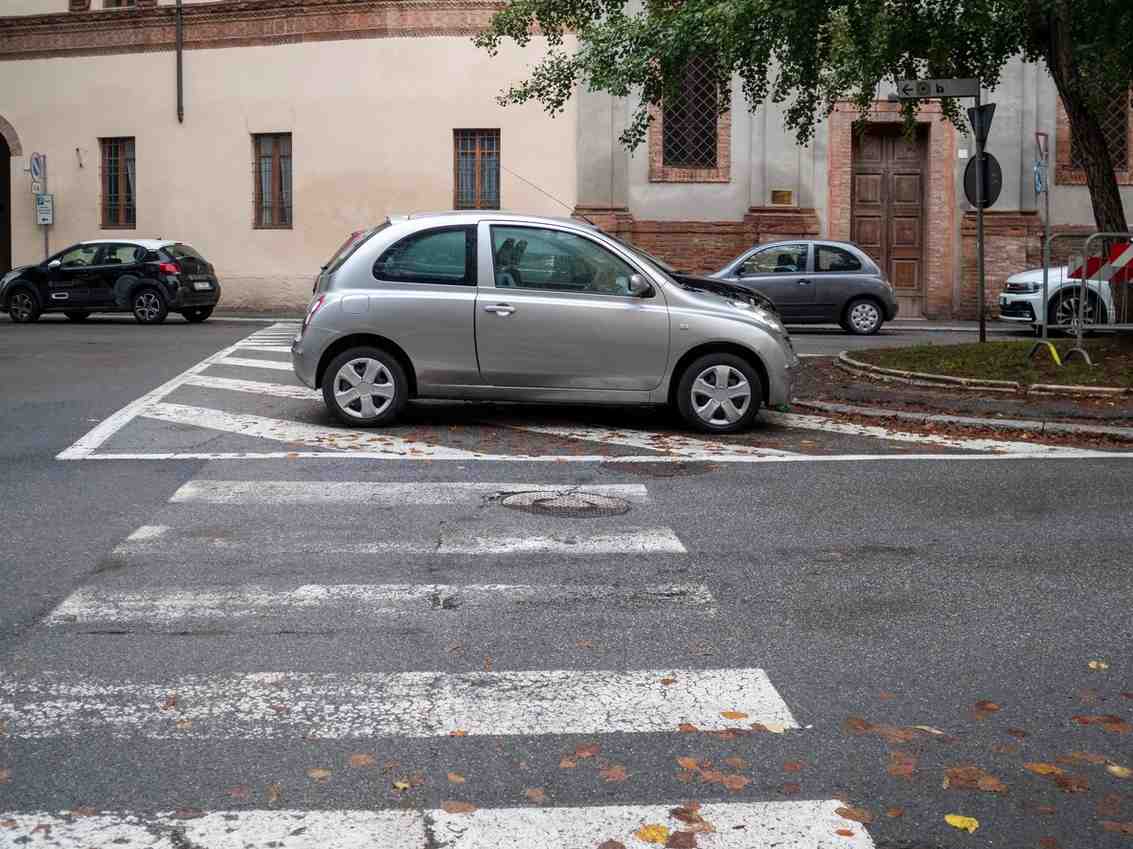
What Georgia Law Says About Crosswalk Right-of-Way
Georgia traffic law generally requires drivers to yield to pedestrians who are within a crosswalk or entering a crosswalk when traffic signals permit crossing. This duty exists at both marked crosswalks and certain unmarked crosswalks at intersections.
Drivers must also exercise due care to avoid colliding with pedestrians, even when a pedestrian is not technically within a crosswalk. These obligations form the legal foundation for many pedestrian injury claims.
When a driver violates these duties, civil liability may arise.
Common Right-of-Way Violations That Lead to Pedestrian Harm
Driver behavior is often the primary factor in crosswalk pedestrian injuries.
Crosswalk-related injuries frequently occur because drivers:
- Turn left or right without checking for pedestrians.
- Fail to stop before making a turn on red.
- Drive through crosswalks while pedestrians are still crossing.
- Speed through intersections.
- Become distracted by phones or in-vehicle systems.
Many of these behaviors involve conscious choices rather than momentary slips.
Proving Fault in Crosswalk Injury Claims
Establishing fault requires more than showing that a collision occurred. The key question is whether the driver violated a legal duty and whether that violation caused the injuries.
Evidence often includes:
- Traffic camera footage.
- Surveillance video from nearby businesses.
- Witness statements.
- Vehicle damage patterns.
- Skid marks and roadway debris.
- Data from vehicle event recorders.
This evidence helps reconstruct movement, speed, and visibility.
The Role of Roadway Design and Signal Timing
Not all crosswalk dangers are created solely by drivers. Poor roadway design can contribute to collisions.
Examples include:
- Crosswalks with inadequate lighting.
- Short signal timing that does not allow full crossing.
- Obstructed sight lines near corners.
- Confusing lane markings.
When design contributes to harm, government entities or contractors may become part of the liability analysis.
Insurance Company Tactics in Pedestrian Cases
Insurers often attempt to minimize pedestrian claims by emphasizing any potential mistake by the person on foot, even when the driver clearly violated right-of-way rules.
They may question medical treatment, downplay the severity of the injury, or suggest that walking inherently carries risk. These arguments do not change a driver’s legal duties.
Strong documentation and early investigation are essential.
How Our Attorneys Build Crosswalk Injury Cases
Pedestrian claims require fast action and thorough evidence collection.
Our attorneys focus on:
- Preserving video footage.
- Identifying witnesses.
- Consulting reconstruction experts when necessary.
- Analyzing signal timing and intersection layout.
- Documenting long-term medical impact.
This approach strengthens both liability and damage presentation.
Speak With Our Atlanta Personal Injury Lawyers About Your Crosswalk Injury
If you or someone you love was seriously injured while using a crosswalk in Georgia, understanding whether right-of-way violations occurred is critical. Our Atlanta personal injury lawyers at Ashby Thelen Lowry may be able to take your case and pursue results that reflect the true impact of your injuries.
A consultation can help clarify how Georgia law applies to your situation and what steps may be available moving forward. Call (404) 777-7771 or contact us online to schedule a free consultation and learn how we can evaluate your case with care and diligence.
Related Blogs
- Pedestrian Crosswalk Laws in Atlanta: What Injured Pedestrians Should Know About Liability
- Why the Summer Months Lead to an Increased Risk of Pedestrian Injuries in Georgia Neighborhoods
- How Distracted Driving Contributes to Pedestrian Collisions Throughout Georgia
- Hit by a Car While Jogging? What Runners Need to Know About Pedestrian Rights
- Legal Challenges in Hit-and-Run Pedestrian Cases—and How We Can Help
- Protecting Your Rights in Georgia Bicycle and Pedestrian Collision Cases
- Injured in a Rideshare, but Not as a Passenger? What Pedestrians and Bystanders Need to Know
- Do Pedestrians Always Have the Right of Way in Georgia?