
Escalators and elevators are often treated as background infrastructure in commercial buildings in Georgia. Office towers, shopping centers, hotels, hospitals, and apartment complexes rely on them every day. Most users step on or step in without a second thought. But when these systems fail, the resulting injuries can be severe.
Sudden drops, abrupt stops, door entrapments, mis-leveling, or mechanical failures can cause fractures, head trauma, spinal injuries, and crushing injuries. After such an event, one of the most important legal questions is not just what failed, but who is legally responsible.
In many cases, liability is divided between property owners and third-party maintenance contractors.
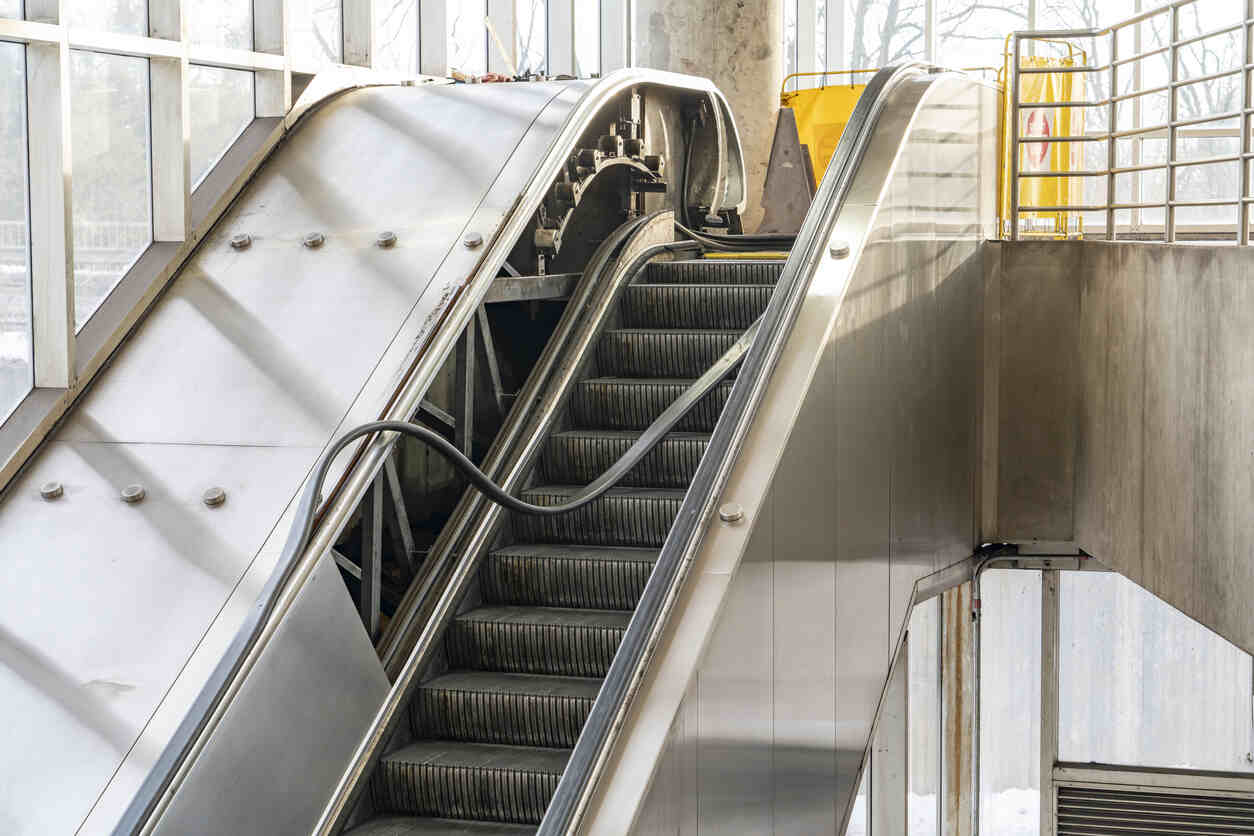
Common Escalator and Elevator Failures
Escalator and elevator malfunctions often stem from preventable issues rather than unpredictable breakdowns.
Common failure scenarios include:
- Elevator cars that mis-level, stopping above or below the floor.
- Sudden stops or drops caused by brake or cable failure.
- Door sensors that fail to detect passengers.
- Escalator step chain failures.
- Loose handrails or missing safety guards.
- Inadequate emergency shut-off systems.
These systems require routine inspection, testing, and maintenance to operate safely.
The Property Owner’s Duty
Under Georgia law, commercial property owners owe a duty of ordinary care to maintain reasonably safe premises. That duty extends to elevators and escalators installed within their buildings.
Property owners may be responsible for:
- Ensuring regular inspections occur.
- Hiring qualified maintenance contractors.
- Responding to prior complaints or warning signs.
- Removing malfunctioning equipment from service.
- Complying with state and local inspection requirements.
Even when maintenance is outsourced, owners cannot ignore known problems.
The Role of Maintenance Contractors
Most commercial property owners contract with specialized elevator and escalator companies to handle inspections, repairs, and maintenance.
Maintenance contractors are often responsible for:
- Routine safety inspections.
- Replacing worn components.
- Testing emergency systems.
- Diagnosing mechanical irregularities.
- Maintaining service logs.
If a contractor fails to identify deteriorating parts, ignores warning indicators, or performs negligent repairs, liability may extend directly to that contractor.
How Contracts Shape Responsibility
In many elevator and escalator injury cases, the written maintenance contract becomes a central document.
These agreements often specify:
- Inspection frequency.
- Scope of repair responsibilities.
- Emergency response obligations.
- Reporting requirements for unsafe conditions.
If a contract assigns inspection and repair duties to the maintenance company and those duties are neglected, the contractor may bear primary responsibility. Conversely, if the owner ignored repair recommendations or delayed necessary service, liability may shift back toward the property owner.
Evidence That Clarifies Fault
Determining responsibility requires careful review of documentation and system history.
Important evidence may include:
- Maintenance logs and service reports.
- Prior repair invoices.
- Inspection certificates.
- Building surveillance footage.
- Incident reports.
- Internal communications about prior complaints.
Patterns of recurring issues, repeated shutdowns, or ignored service warnings often reveal whether the malfunction was foreseeable.
Regulatory Oversight in Georgia
Elevators and escalators in Georgia are subject to regulatory standards and inspection requirements. Compliance records can provide insight into whether the system was operating legally at the time of the incident.
If inspections were overdue, citations were ignored, or required repairs were delayed, those facts may support a negligence claim.
When Multiple Parties Share Responsibility
Escalator and elevator injury cases frequently involve layered responsibility. A property owner may be liable for failing to respond to known issues, while a contractor may be liable for negligent maintenance or inspection failures.
Identifying all responsible entities is essential because insurance coverage and financial responsibility may differ between parties.
How Our Attorneys Investigate Georgia Elevator and Escalator Injury Cases
Mechanical failure cases require technical analysis and document-intensive investigation.
Our attorneys focus on:
- Securing maintenance and inspection records.
- Reviewing service contracts.
- Consulting mechanical engineering experts.
- Examining prior complaint history.
- Identifying regulatory compliance gaps.
This structured approach helps uncover whether the malfunction resulted from deferred maintenance, negligent servicing, or systemic oversight failures.
Speak With Our Atlanta Personal Injury Lawyers About Your Building Injury Claim
If you were seriously injured due to an escalator or elevator malfunction in a Georgia commercial building, determining who is responsible requires careful investigation. Our Atlanta personal injury attorneys at Ashby Thelen Lowry may be able to take your case and evaluate whether a property owner, maintenance contractor, or both contributed to the failure.
Call (404) 777-7771 or contact us online to schedule a free consultation and learn how we can review your case with the attention and precision it deserves.