
Atlanta’s I-285 perimeter is one of the most heavily traveled freight corridors in the Southeast. Commercial trucks share the roadway with commuter traffic, delivery fleets, and passenger vehicles moving at high speeds through constant congestion. When a commercial vehicle strikes a smaller vehicle from behind, the force differential can be devastating.
Rear-impact collisions involving large trucks are rarely minor events. The size, weight, and braking dynamics of commercial vehicles often turn what might otherwise be a routine traffic slowdown into a catastrophic injury case.
Understanding how these collisions occur and how liability is proven requires careful analysis of both driver conduct and company oversight.
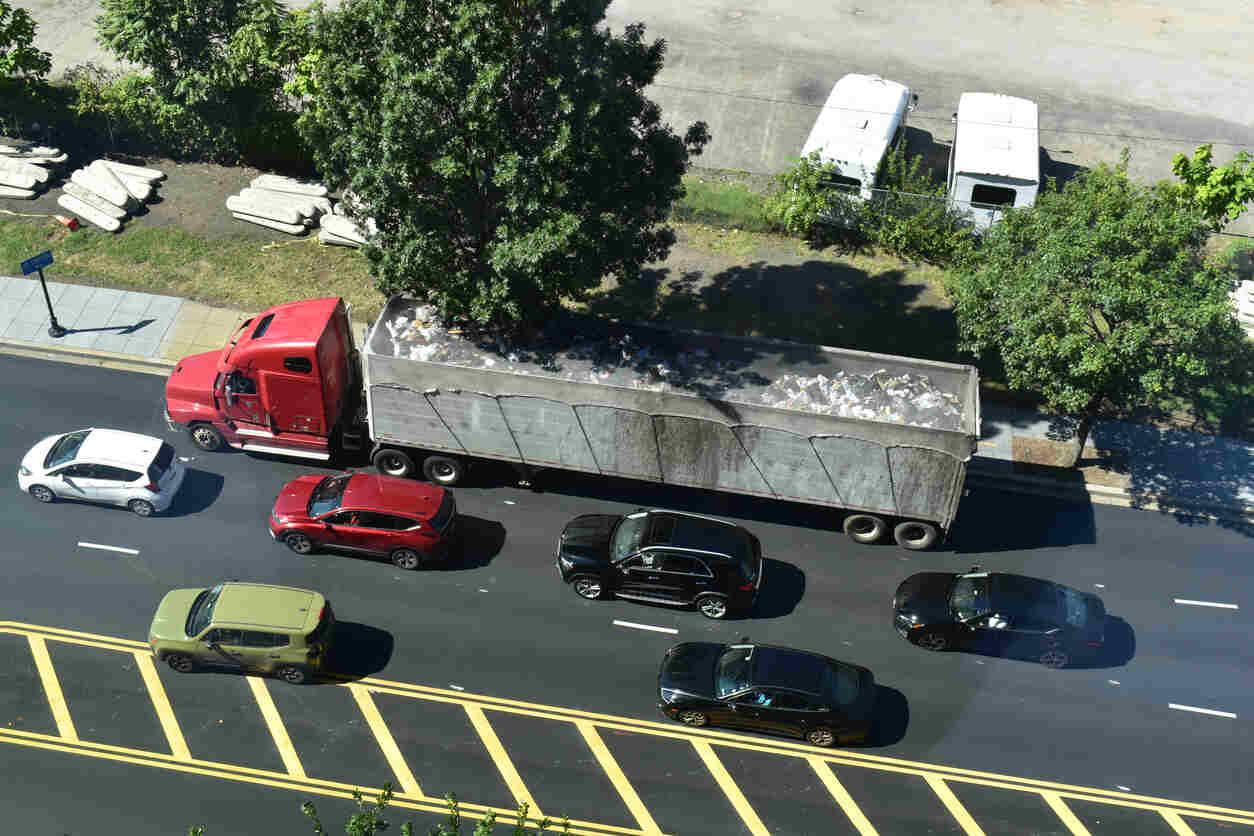
Why Rear-Impact Truck Collisions Are So Severe
Commercial vehicles weigh significantly more than passenger vehicles. Even at moderate speeds, a fully loaded tractor-trailer or heavy fleet truck carries tremendous momentum.
Rear-impact truck collisions on I-285 frequently result in:
- Traumatic brain injuries.
- Spinal cord injuries.
- Severe orthopedic fractures.
- Internal organ damage.
- Fatal injuries.
The physics alone often explain the severity. But the legal question focuses on why the truck failed to stop in time.
Common Causes of Rear-Impact Truck Collisions on I-285
Heavy interstate traffic requires constant speed adjustments. When commercial drivers fail to adapt to changing conditions, rear-end impacts occur.
Contributing factors often include:
- Following too closely in congested traffic.
- Driver fatigue during long shifts.
- Delayed braking response.
- Distracted driving inside the cab.
- Brake system deficiencies.
- Excessive speed approaching slowdowns.
Unlike smaller vehicles, commercial trucks require longer stopping distances. Failure to account for that reality can have catastrophic consequences.
Federal Safety Regulations and Driver Obligations
Commercial drivers are subject to federal safety regulations designed to reduce preventable highway collisions.
These regulations address:
- Hours-of-service limits to prevent fatigue.
- Brake system inspection requirements.
- Driver qualification standards.
- Ongoing safety training.
In rear-impact crashes, compliance with these regulations becomes a central issue. Logbooks, electronic logging device data, and inspection reports often reveal whether the driver or company failed to meet required safety standards.
Brake Performance and Mechanical Issues
Rear-impact truck cases frequently raise questions about braking capability.
Key issues may include:
- Worn brake components.
- Improper maintenance schedules.
- Overloaded trailers increase stopping distance.
- Failure to address prior mechanical warnings.
Commercial carriers are responsible for ensuring that vehicles are properly maintained. Maintenance records and inspection reports can reveal patterns of neglect.
Event Data and Electronic Evidence
Modern commercial vehicles contain electronic control modules and telematics systems that record critical data.
This information can help establish:
- Vehicle speed before impact.
- Brake application timing.
- Throttle position.
- Sudden deceleration patterns.
On I-285, where traffic congestion can change rapidly, electronic data often clarifies whether the driver had adequate time to respond and whether appropriate braking occurred.
Preserving this evidence quickly is essential, as data can be overwritten or lost.
Corporate Oversight and Safety Culture
Rear-impact collisions are not always the result of isolated driver mistakes. In some cases, broader corporate practices contribute to unsafe conditions.
Areas of inquiry may include:
- Delivery deadlines that encourage speed.
- Inadequate rest scheduling.
- Failure to discipline prior safety violations.
- Insufficient driver training on congested interstate driving.
If systemic issues exist, liability may extend beyond the individual driver to the commercial carrier.
Proving Causation in High-Speed Rear-Impact Cases
In severe rear-end truck cases, insurers may argue that traffic stopped suddenly or that conditions were unavoidable.
Proving causation often requires:
- Crash reconstruction analysis.
- Review of traffic camera footage.
- Examination of roadway design and congestion patterns.
- Correlation of vehicle data with scene evidence.
The objective is to demonstrate that the commercial vehicle had sufficient opportunity to slow or stop and failed to do so.
How Our Attorneys Approach Rear-Impact Truck Litigation
Catastrophic rear-impact cases demand immediate and thorough investigation.
Our attorneys focus on:
- Securing electronic vehicle data.
- Reviewing driver logs and maintenance records.
- Consulting reconstruction experts.
- Examining company safety practices.
- Identifying all responsible entities.
This methodical approach helps ensure that accountability reflects the full scope of what occurred.
Speak With Our Atlanta Personal Injury Lawyers About Your I-285 Collision
If you or someone you love suffered serious injuries in a rear-impact collision involving a commercial vehicle on I-285, the legal and factual issues may be complex. Our Atlanta personal injury attorneys at Ashby Thelen Lowry may be able to take your case and evaluate whether driver conduct, mechanical failure, or corporate oversight contributed to the harm.
Call (404) 777-7771 or contact us online to schedule a free consultation and learn how we can review your case with the attention and precision it deserves.