
Modern vehicles rely heavily on software-driven systems and electronic sensors to assist with braking, steering, lane positioning, collision avoidance, and occupant protection. These technologies are marketed as advances in safety. When they function properly, they can reduce the risk of harm. When they malfunction, the results can be catastrophic.
In Georgia injury cases, software and sensor failures are increasingly emerging as hidden contributors to serious collisions and severe injuries. Understanding how these failures occur and how they are investigated is critical for identifying whether a vehicle defect played a role.
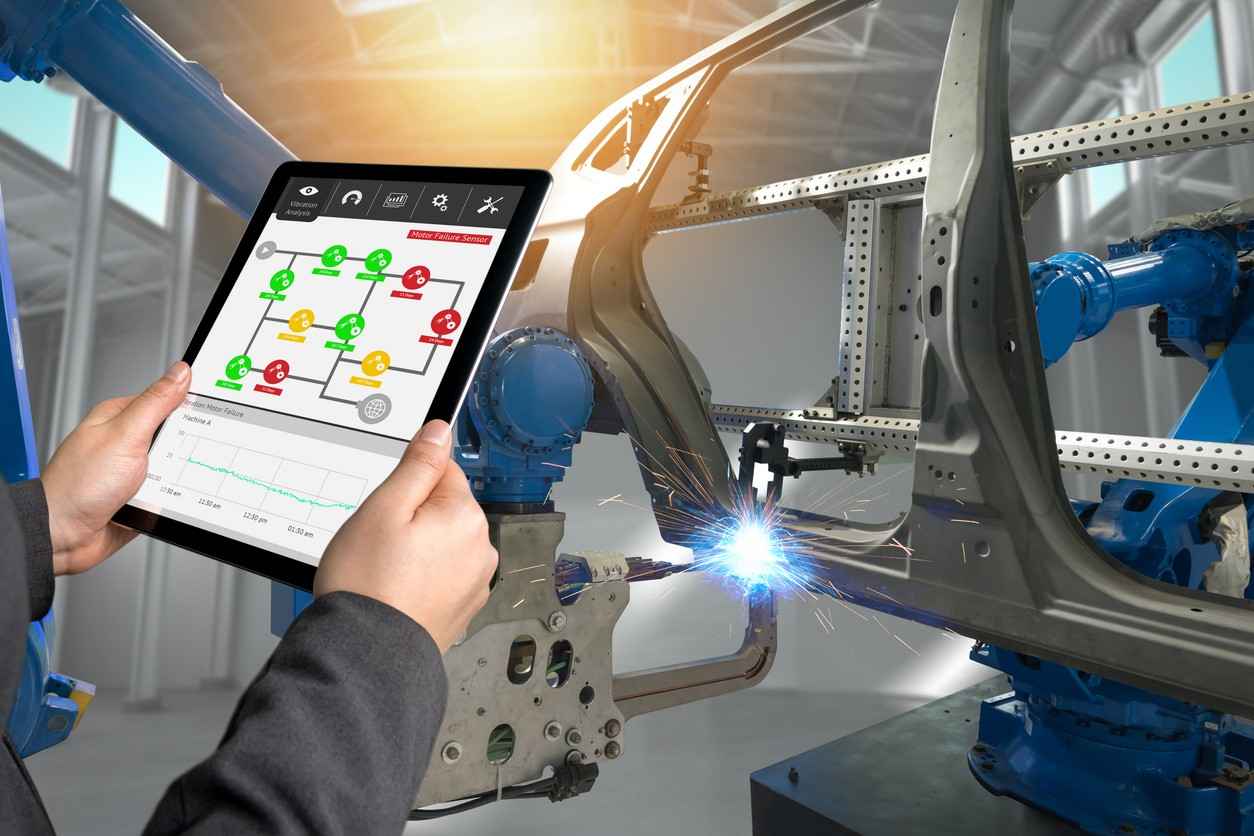
The Expanding Role of Software in Vehicle Operation
Today’s vehicles contain dozens of computers that constantly communicate with one another. These systems control functions that were once purely mechanical.
Software now influences:
- Automatic emergency braking.
- Adaptive cruise control.
- Lane-keeping assistance.
- Blind-spot monitoring.
- Stability control.
- Airbag deployment.
When any of these systems misinterpret data or execute incorrect commands, the vehicle may behave unpredictably.
Sensors as the Eyes and Ears of Modern Vehicles
Sensors provide the raw data on which software relies. Cameras, radar, ultrasonic sensors, and lidar detect surrounding objects, distances, and movement.
Problems arise when sensors:
- Are improperly calibrated.
- Become obstructed.
- Degrade over time.
- Provide inaccurate readings.
If sensors feed incorrect information into control systems, the vehicle’s software may make dangerous decisions.
Common Software-Related Failure Patterns
Certain categories of software defects appear repeatedly in product defect investigations.
These include:
- Failure to detect obstacles.
- Delayed braking commands.
- Unintended acceleration.
- Sudden loss of power steering assistance.
- Incorrect airbag deployment timing.
These failures may occur sporadically, making them difficult to identify without technical analysis.
How Software and Sensor Failures Lead to Injury
When safety systems malfunction, drivers may lose the opportunity to avoid a collision.
Examples include:
- Automatic braking fails to activate.
- Lane-keeping assistance steers into danger.
- Stability control fails during evasive maneuvers.
- Blind-spot systems fail to warn of nearby vehicles.
In each scenario, the technology meant to prevent harm instead contributes to it.
Why Drivers Are Often Blamed First
In many cases, the initial assumption is that the driver is at fault. Drivers may be accused of inattention, misjudgment, or improper control.
When software or sensor failures are involved, the driver may have done nothing wrong. The vehicle did not respond as expected.
Identifying this distinction is essential for shifting the focus from driver fault to product responsibility.
Evidence Used to Identify Electronic Defects
Proving a software or sensor defect requires specialized investigation.
Our attorneys may work with experts to examine:
- Event data recorder information.
- Software version histories.
- Over-the-air update logs.
- Diagnostic trouble codes.
- Manufacturer technical service bulletins.
- Similar failure reports involving the same model.
This evidence helps determine whether a defect existed and whether it contributed to the injury.
The Role of Manufacturers and Suppliers
Modern vehicles are built using components from multiple companies. Software developers, sensor manufacturers, and vehicle assemblers may all share responsibility.
Liability may extend to:
- Vehicle manufacturers.
- Parts suppliers.
- Software developers.
- Quality control contractors.
Identifying every responsible party is critical in serious injury cases.
Product Liability Law in Georgia
Georgia product liability law allows injured individuals to pursue claims when a defective product is unreasonably dangerous and causes harm.
Defects may involve:
- Design flaws.
- Manufacturing defects.
- Failure to warn.
Software defects can fall into one or more of these categories.
Why These Cases Are Technically Complex
Software and sensor cases involve proprietary code, encrypted data, and corporate confidentiality. Manufacturers often resist disclosure.
These cases require:
- Prompt evidence preservation.
- Court-ordered data access when necessary.
- Technical experts who understand automotive systems.
Early legal involvement can make the difference between uncovering the truth and losing critical evidence.
How Our Attorneys Approach Vehicle Defect Investigations
Our attorneys focus on building product defect cases from the ground up.
This includes:
- Securing the vehicle before data is altered.
- Consulting with automotive engineering experts.
- Identifying patterns across similar vehicles.
- Pursuing claims against all responsible entities.
This approach allows injured individuals and families to pursue accountability where it belongs.
Speak With Our Atlanta Personal Injury Lawyers About a Possible Vehicle Defect Claim
If you or someone you love suffered serious injuries in a Georgia collision and suspect a vehicle malfunction may have played a role, a deeper investigation may be necessary. Our Atlanta personal injury lawyers at Ashby Thelen Lowry may be able to take your case and determine whether software or sensor failures contributed to what happened.
A simple conversation can help identify potential defects and explain the options available. Call (404) 777-7771 or contact us online to schedule a free consultation and learn how we can evaluate your case with care and attention to detail.