
Modern vehicles are marketed as safer than ever, equipped with advanced features designed to prevent harm and protect occupants during a collision. Yet when those safety systems fail, the consequences can be catastrophic. Georgia families who lose loved ones in fatal roadway crashes often discover that the event was made worse, or even caused, by a malfunctioning safety component. These failures can turn survivable collisions into deadly ones, leaving families searching for answers and accountability.
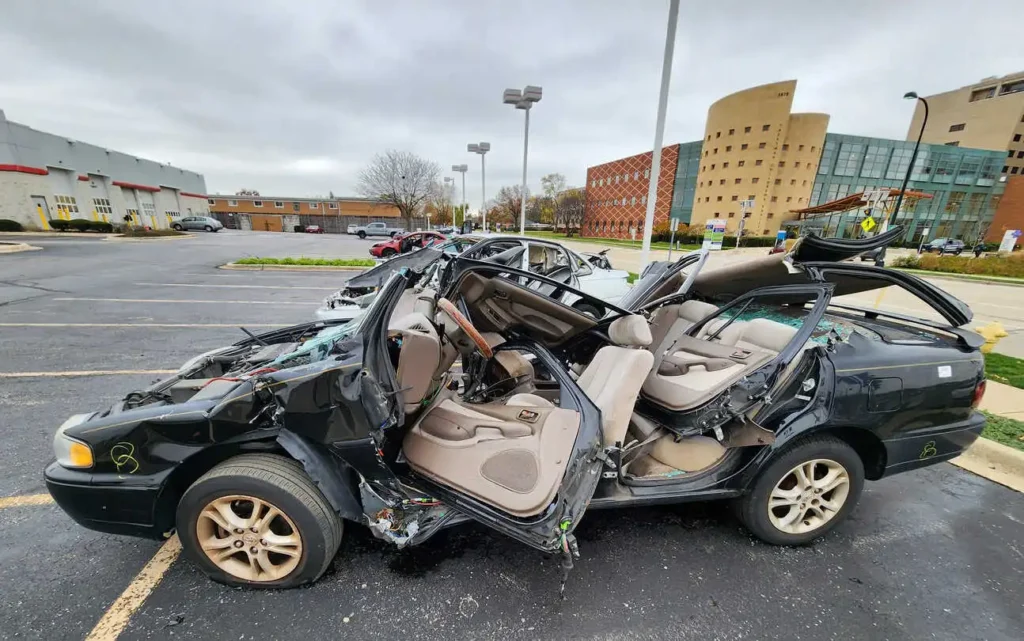
Despite decades of innovation, defective airbags, seat belts, brake systems, sensors, and structural components continue to appear in vehicles across Georgia’s roadways. When these systems malfunction, the failure is not only mechanical but also legal and ethical. Manufacturers, dealers, and component suppliers may be held responsible when their products do not work as intended. Understanding how these failures occur, why they go unnoticed, and what makes these cases legally complex is essential for families pursuing justice.
How Safety Feature Failures Contribute to Fatal Outcomes
Safety features are designed to work instantly and precisely. When even one component fails at the wrong moment, occupants may suffer otherwise preventable harm.
Common failure points include:
- Airbags that do not deploy, deploy too late, or explode with excessive force.
- Seat belts that unlatch, lock improperly, or fail to restrain occupants.
- Braking systems that malfunction under pressure or fail to activate safety assist functions.
- Electronic stability controls that do not respond during sharp maneuvers.
- Side-impact or rollover protection structures that collapse or deform.
Each of these failures can dramatically alter the severity of a crash. When combined with high speeds or multi-vehicle impacts, they frequently result in fatal harm.
Why These Defects Often Go Unnoticed Until It Is Too Late
Vehicle owners are rarely aware of safety defects before a crash occurs. Many issues remain hidden until the moment they are needed most.
These failures often occur because:
- Manufacturers do not adequately test components under real-world conditions.
- Recall notices are delayed, incomplete, or fail to reach vehicle owners.
- Software updates meant to correct issues are never issued or installed.
- Dealerships overlook symptoms during maintenance and routine service.
By the time the defect reveals itself, the outcome may already be irreversible.
The Impact of Counterfeit or Low-Quality Replacement Parts
Not all safety failures stem from the original manufacturer. Some are linked to the use of inferior replacement parts installed during repairs or maintenance.
Situations that increase risk include:
- Shops installing aftermarket components that do not meet safety standards.
- Distributors selling counterfeit airbags or brake parts that mimic name-brand designs.
- Used dealerships repairing vehicles with low-cost parts after prior collisions.
These components may malfunction or fail outright during critical moments, contributing to fatal crashes on Georgia highways and local roads.
The Legal Complexity of Defective Safety Feature Claims
These cases go far beyond standard collision claims. They require detailed analysis of engineering, design, manufacturing, and post-sale maintenance.
Challenges often arise because:
- Multiple companies may share responsibility for producing, testing, distributing, or repairing the defective component.
- Manufacturers frequently deny liability by blaming driver error or roadway conditions.
- Critical evidence, such as sensor data, airbag modules, black box data, and physical components, must be preserved immediately.
- Insurance companies often attempt to minimize the role of the defect to limit payouts.
Properly pursuing these claims requires gathering extensive technical evidence and consulting experts in vehicle design, crash reconstruction, and human factors.
Your Family Deserves Answers — Speak With Our Georgia Wrongful Death Team
If defective vehicle safety features contributed to a fatal crash involving your loved one, you deserve clarity, accountability, and the opportunity to pursue justice. Ashby Thelen Lowry can investigate the defect, identify all responsible parties, and fight for the financial support your family needs to move forward.
Call (404) 777-7771 or reach out online to schedule a free consultation and learn how we can help protect your family’s future.