
Big-box stores across Georgia attract thousands of shoppers every day. Their massive footprints, high shelves, promotional displays, and constant foot traffic create an environment where hazards can appear with little warning. While customers expect a safe shopping experience, retail layouts often hide dangers that store employees overlook or fail to correct. When these design flaws lead to harm, victims may face significant injuries and long-term physical challenges.
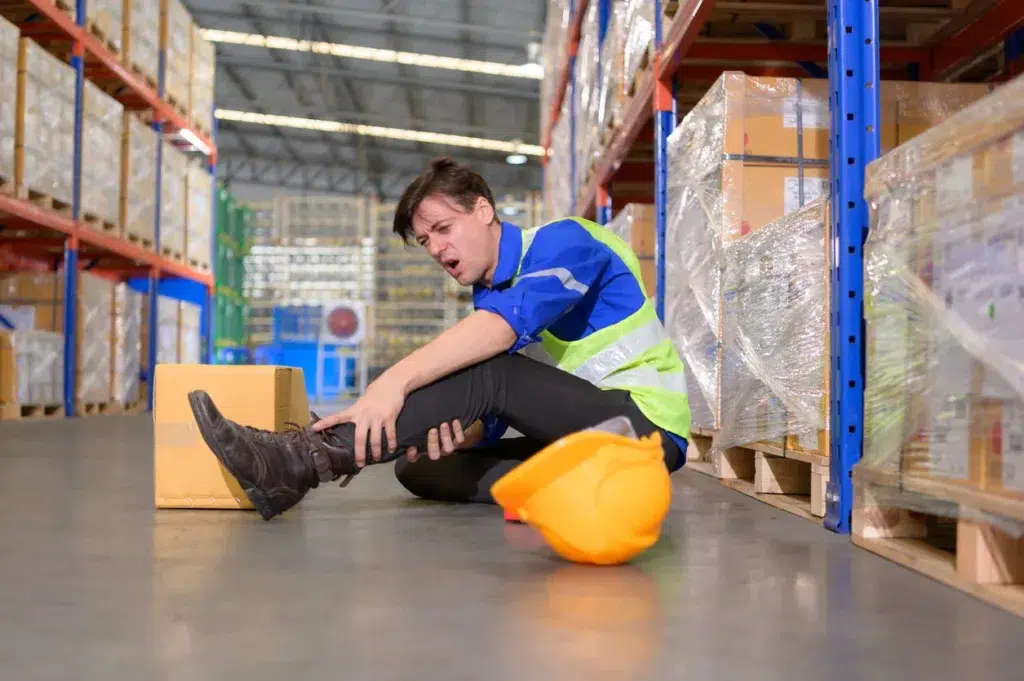
Understanding how these hazards develop and why they go unnoticed is essential for anyone who is injured in a big-box store.
How Retail Layout Choices Create Unsafe Conditions
Big-box stores rely heavily on strategic product placement and high-density displays to maximize sales. However, some of these design decisions unintentionally place customers at risk.
Common layout-related hazards include:
- Aisles are narrowed by promotional bins or seasonal merchandise.
- Displays are placed near corners, blocking sight lines.
- Overhead shelving stacked with unstable or heavy items.
- Uneven flooring transitions between departments.
- Poorly lit sections that hide spills, debris, or obstacles.
When stores fail to maintain a safe layout or update their floor plan to reflect current conditions, the risk to shoppers increases significantly.
Seasonal Layout Changes Increase the Chance of Harm
Retailers frequently overhaul their floor plans during holidays, sales events, and seasonal promotions. These rapid changes often occur without adequate training, safety checks, or supervision.
Shoppers may encounter:
- Crowded aisles filled with temporary shelving or oversized displays.
- Pallets, boxes, or equipment left behind by stocking crews.
- Unsecured merchandise was stacked hastily to meet sales demand.
- Poorly marked floor hazards where displays were recently moved.
Because these changes happen quickly, employees may not recognize the risks until someone is hurt.
The Danger of High Shelving and Overhead Stocking
Large stores often store heavy products on high shelves to maximize space, but improperly secured items can fall with significant force. This is especially dangerous in busy stores where customers walk directly beneath overhead inventory.
Injuries frequently occur when:
- Products are stacked too high or too close to the edge of the shelving.
- Safety restraints fail or are missing entirely.
- Forklifts or stockers dislodge items without realizing it.
- Customers attempt to reach merchandise on their own.
These events can cause crushing injuries, head trauma, and other serious harm.
Blind Spots Contribute to Falls, Collisions, and Impact Events
Retail layouts commonly include endcaps, tall displays, and large promotional structures that block visibility.
These blind spots create hazards such as:
- Customers walking into unexpected physical obstacles.
- Children wandering behind displays where supervision is limited.
- Spills or debris are hidden from both customers and employees.
- Sudden turns in tight aisles that lead to collisions with carts or shelving.
When blind spots obstruct a shopper’s view, even a seemingly minor hazard can result in significant injuries.
Staffing Shortages Make Layout Hazards Worse
Many Georgia big-box stores operate with limited staff, especially during busy hours. Fewer employees on the floor mean slower responses to dangerous conditions that arise from layout issues.
This lack of oversight becomes especially problematic when:
- Stocking crews leave materials unattended.
- Spills go unnoticed for extended periods.
- Display areas become cluttered without correction.
- Store managers fail to conduct regular safety checks.
When staffing shortages intersect with poor layout design, hazards can go unaddressed long enough to cause serious harm.
Proving Liability in Retail Layout Cases
When someone is injured in a big-box store, the store is not automatically responsible.
To prove liability, it is often necessary to demonstrate that the hazard was:
- Created by the store’s layout or design choices.
- Known to management or employees before the injury.
- Left uncorrected for an unreasonable period of time.
- Part of a recurring issue the store failed to fix.
Evidence may include store surveillance footage, employee statements, maintenance logs, customer photos, and internal safety policies. Because large retailers often move quickly to protect themselves, injured shoppers need to act promptly.
Learn How Our Premises Liability Lawyers Can Support Your Recovery
If a dangerous store layout in a Georgia big-box retailer caused serious harm to you or someone you love, you deserve answers and a clear path to recovery. Ashby Thelen Lowry can investigate the conditions that led to your injury, gather critical evidence, and hold the store accountable for failing to maintain a safe environment.
Call (404) 777-7771 or contact us online to schedule a free consultation and learn how our team can help you pursue justice and compensation.