
Georgia’s booming construction industry has brought rapid development to cities like Atlanta, Savannah, and Augusta. From new residential communities to major commercial projects, construction sites are active hubs of progress but also among the most dangerous workplaces in the state.
Among those at most significant risk are contract and subcontract workers, who often perform the most hazardous jobs under multiple layers of supervision and responsibility.
Understanding why these workers face heightened danger and how overlapping liability works is essential for protecting their rights after a serious injury.
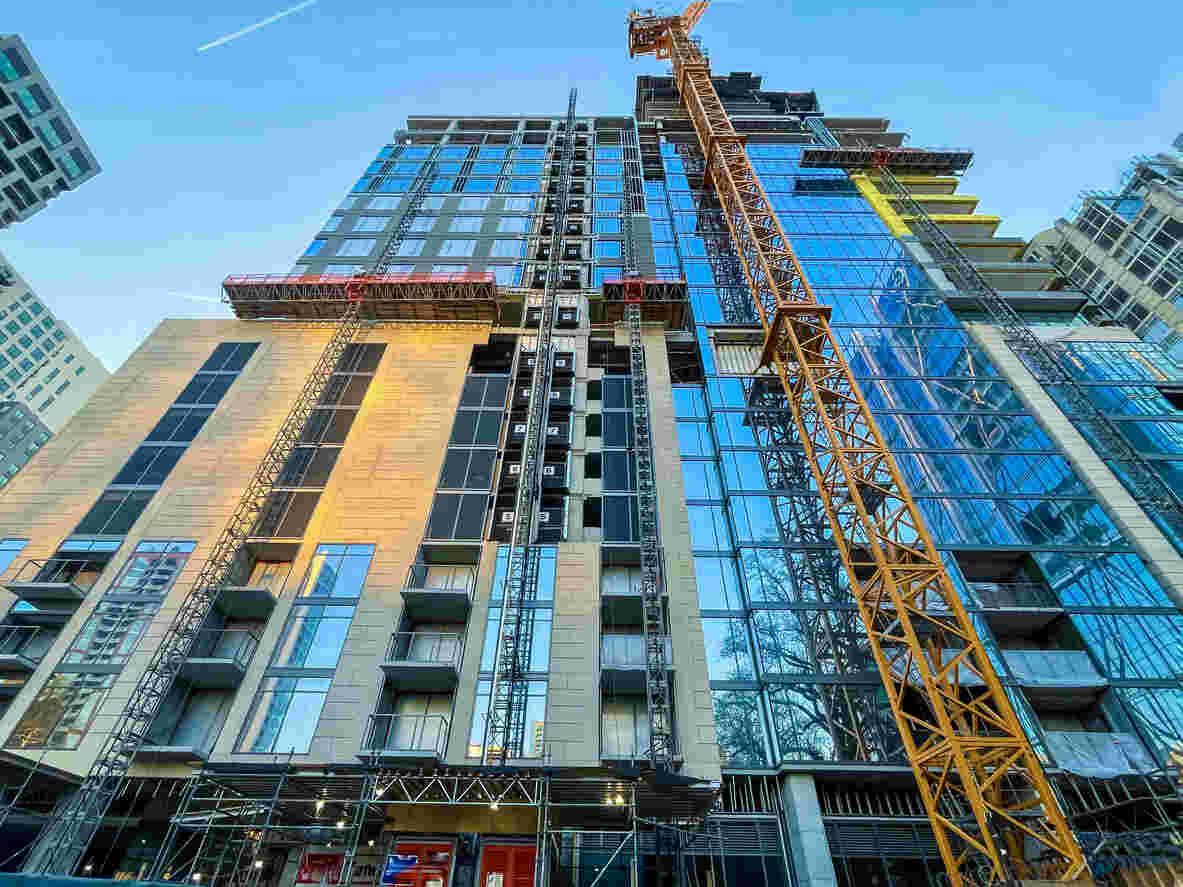
The Role of Contract Workers in Georgia Construction
Contract workers are the backbone of Georgia’s construction industry. General contractors frequently hire multiple subcontractors to handle specialized tasks such as roofing, electrical work, or concrete pouring. Each subcontractor may then employ additional crews or independent laborers. This layered employment structure allows projects to move quickly, but it also creates confusion about who is responsible for maintaining on-site safety.
When injuries occur, determining which party controlled the work area, provided supervision, or failed to follow safety protocols can become a complicated legal question.
Why Contract Workers Face Greater Danger
Contract workers often encounter higher risks for several reasons inherent to the construction industry.
They include, but are not limited to:
- Limited oversight. Subcontractors may lack the same safety management resources as large general contractors, leading to inconsistent enforcement of safety standards.
- Insufficient training. Temporary laborers or independent contractors are sometimes placed on active sites without complete orientation or hazard instruction.
- Pressure to meet deadlines. With multiple trades working simultaneously, contractors often rush tasks, creating unsafe conditions such as cluttered workspaces or equipment misuse.
- Lack of protective equipment. Smaller subcontractors may fail to provide proper fall protection, gloves, or harnesses due to cost or oversight.
These factors combine to create an environment where even a single safety lapse can result in catastrophic injuries, including falls, crush injuries, electrocution, or exposure to hazardous materials.
Overlapping Liability Between Contractors
When negligence causes harm, more than one party may be responsible. Under Georgia law, both general contractors and subcontractors can be held liable if their actions, or inaction, contributed to unsafe working conditions.
- A general contractor has a duty to ensure the site complies with state and federal safety standards. They must coordinate activities, inspect for hazards, and enforce safety protocols.
- A subcontractor bears responsibility for maintaining a safe workspace within their specific area of control and for adequately training their employees.
If either party fails to uphold these obligations, and a worker is injured as a result, both may be held accountable. Legal claims may involve complex questions about control, supervision, and contractual duties, requiring a thorough investigation of project records, contracts, and safety documentation.
The Importance of Legal Advocacy
Contract workers frequently face challenges when pursuing compensation. They may be covered under workers’ compensation, but in many cases, third-party negligence claims can also apply. For example, if a general contractor ignored known safety violations or if an employee of another subcontractor caused the harm, a civil claim may allow for greater financial recovery.
An experienced attorney can determine the appropriate avenues for compensation, identify all responsible parties, and ensure that critical evidence, such as safety logs, site plans, and witness statements, is preserved.
Contact Ashby Thelen Lowry Today
If you or a loved one has been seriously injured while working on a construction site in Georgia, the attorneys at Ashby Thelen Lowry can help. Our team understands the complex relationships between general contractors and subcontractors and knows how to hold negligent parties accountable.
Contact us today at (404) 777-7771 or reach us online for a free consultation and learn how we can help you pursue justice and the compensation you deserve.