
In the aftermath of a serious collision, attention is understandably focused on injuries, emergency response, and clearing the scene. At the same time, critical evidence begins to change or disappear. In many cases, the earliest hours are when the most valuable information is either preserved or lost.
Across Atlanta and throughout Georgia, collision scenes are often cleared quickly to restore traffic flow. While necessary, that process can erase details that later become central to determining how the event occurred.
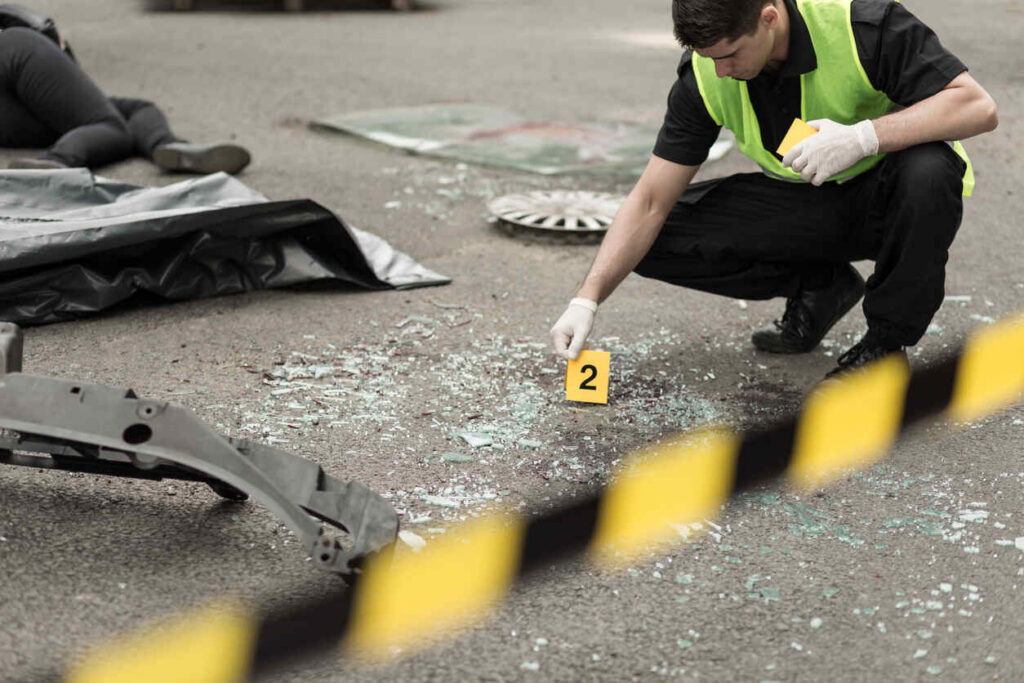
Physical Scene Evidence Is Often the First to Go
The roadway itself holds important clues immediately after a collision. Tire marks, debris patterns, and vehicle positioning can help reconstruct the sequence of events.
This type of evidence can include:
- Skid marks showing braking or evasive action.
- Debris fields indicate the point of impact.
- Fluid spills mark vehicle movement.
- Final resting positions of vehicles.
Once vehicles are moved and the roadway is cleared, much of this information is permanently altered or lost. Without timely documentation, recreating the scene becomes more difficult.
Surveillance Footage May Be Overwritten Quickly
Many intersections, businesses, and nearby properties have cameras that capture roadway activity. However, that footage is often stored on short retention cycles.
Important video sources may include:
- Traffic cameras at major intersections.
- Security cameras from nearby businesses.
- Residential doorbell or exterior cameras.
- Parking lot surveillance systems.
In some cases, footage may be overwritten within days or even hours. If it is not identified and preserved early, it may no longer be available.
Witness Memories Fade and Shift
Witness accounts can provide valuable context, especially when physical evidence is limited. However, memory is not static.
Over time, witnesses may:
- Forget specific details about timing or sequence.
- Become less certain about what they observed.
- Be influenced by conversations or outside information.
Early statements are often the most reliable. Delays in identifying and speaking with witnesses can result in incomplete or inconsistent accounts.
Vehicle Data Is Not Always Preserved Automatically
Modern vehicles often contain electronic data that can help explain what happened before a collision. This may include speed, braking, and other operational details.
Potential sources of data include:
- Event data recorders.
- GPS tracking systems.
- App-based driving or dispatch logs.
- Fleet management systems for commercial vehicles.
This information is not always retained indefinitely. In some cases, it may be overwritten, deleted, or inaccessible without timely action.
Roadway Conditions Can Change Rapidly
Conditions at the scene may look very different shortly after the collision than they did at the time of the collision.
Changes may include:
- Weather shifts that affect visibility or traction.
- Removal of temporary hazards or obstructions.
- Repairs to damaged roadway surfaces.
- Alteration of construction or traffic control setups.
When these conditions are not documented early, it can be difficult to demonstrate how they contributed to the collision.
Vehicle Damage Can Be Altered or Repaired
The condition of the vehicles involved can provide important insight into impact angles, force, and sequence. However, that evidence can change quickly.
Vehicles may be:
- Moved to storage facilities.
- Repaired or salvaged.
- Inspected without full documentation.
- Disposed of before detailed analysis occurs.
Once alterations are made, the opportunity to examine original damage patterns may be lost.
Communication Records May Not Be Retained
In some cases, communication between drivers, companies, or third parties can shed light on what occurred before or after the collision.
Relevant records may include:
- Dispatch communications.
- Text messages or calls.
- Internal company communications for commercial drivers.
- Ride or delivery app activity.
These records may not be preserved unless specifically requested, and retention policies can vary widely.
Why Early Preservation Can Influence the Entire Claim
The strength of a claim often depends on the ability to reconstruct events accurately. When key evidence is missing, the analysis may rely more heavily on partial information or competing accounts.
Early preservation can help:
- Establish a clear timeline.
- Confirm or challenge initial reports.
- Identify contributing factors.
- Support a more complete understanding of the event.
Without that foundation, it can be more difficult to address disputes over how the collision occurred.
Situations Where Evidence Preservation Becomes Especially Important
Certain circumstances make early evidence particularly critical. These situations often involve more complex or disputed facts.
A closer review may be necessary when:
- The cause of the collision is unclear or contested.
- Multiple vehicles or parties are involved.
- Commercial or rideshare drivers are part of the event.
- Roadway conditions or visibility may have played a role.
In these cases, missing evidence can significantly affect the evaluation of responsibility.
How Our Atlanta Injury Lawyers Can Help
Serious collision cases often depend on information that exists only briefly after the event. Identifying, preserving, and analyzing that evidence can be an important part of understanding what happened.
Ashby Thelen Lowry represents individuals injured in collisions throughout Atlanta and across Georgia. The firm focuses on complex cases where early investigation and evidence preservation can influence the outcome.
A timely legal review can help ensure that critical information is identified before it is lost and that the claim is built on a complete and accurate understanding of the events.
Call Ashby Thelen Lowry today at (404) 777-7771 or contact us online to get the help you need during a free consultation.