
Experience behind the wheel is often viewed as a safeguard against serious driving mistakes. In reality, many high-severity collisions involve drivers who are familiar with the road, comfortable in traffic, and confident in their abilities. In dense urban environments, that experience can sometimes contribute to, rather than prevent, critical errors.
In and around Atlanta, traffic conditions demand constant adjustment. Congestion, rapid lane changes, and unpredictable driver behavior create a setting where even small lapses can lead to significant consequences.
Familiarity Can Lead to Automatic Driving
Experienced drivers often rely on habit. Daily routes, repeated commutes, and predictable patterns can shift driving from active decision-making to routine behavior.
This can result in:
- Reduced attention to changing traffic conditions.
- Delayed response to unexpected hazards.
- Assumptions about how other drivers will behave.
- Missed cues that differ from the usual pattern.
When driving becomes automatic, awareness can drop at the exact moment it is needed most.
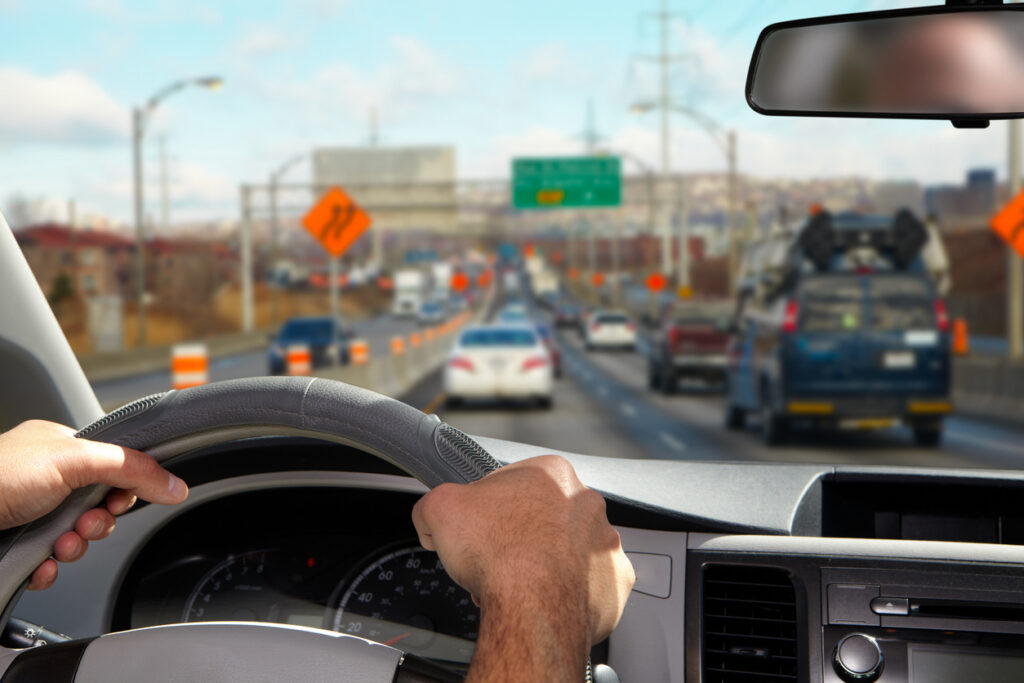
Critical Errors in Dense Atlanta Traffic
Dense Traffic Requires Continuous Adjustment
Urban traffic rarely stays consistent. Speed changes, merging activity, and stop-and-go movement require drivers to remain actively engaged.
Challenges in dense traffic include:
- Frequent braking and acceleration.
- Vehicles entering and exiting lanes without warning.
- Limited space for error or recovery.
- Constant need to monitor multiple directions.
Even experienced drivers can struggle to keep pace with these demands when conditions shift quickly.
Overconfidence Can Affect Decision-Making
Confidence built over years of driving can influence how risks are perceived. Experienced drivers may feel more comfortable making aggressive or time-sensitive decisions.
This can lead to:
- Tight lane changes in limited space.
- Following more closely than conditions allow.
- Attempting to “beat” traffic patterns.
- Underestimating the impact of congestion.
While these decisions may feel controlled, they can reduce the margin for error in already constrained environments.
Multitasking Increases Cognitive Load
Driving in heavy traffic already requires significant mental focus. When additional tasks are introduced, even briefly, the strain on attention increases.
Common sources of distraction may include:
- Navigation systems or route adjustments.
- Incoming calls or messages.
- Monitoring traffic apps or alerts.
- Conversations with passengers.
Even experienced drivers are not immune to the effects of divided attention. In dense traffic, a momentary lapse can have immediate consequences.
Reaction Time Becomes More Critical
In high-density conditions, the time available to react is often reduced. Vehicles are closer together, and changes happen more quickly.
This environment means:
- Small delays in reaction can lead to contact.
- Sudden stops can trigger chain-reaction collisions.
- Limited space makes evasive action more difficult.
Experience may improve general awareness, but it does not eliminate the need for immediate response in rapidly changing situations.
Stress and Fatigue Can Affect Even Skilled Drivers
Extended time in traffic can lead to mental fatigue and frustration. Stop-and-go conditions, delays, and congestion can wear down even the most experienced drivers.
Effects may include:
- Slower reaction times.
- Reduced patience and increased risk-taking.
- Difficulty maintaining focus over time.
- Irritability that affects judgment.
These factors can contribute to errors that might not occur under less demanding conditions.
The Illusion of Control in Complex Environments
Experienced drivers often feel they have a strong sense of control over their vehicles and surroundings. In dense traffic, however, control is shared among many drivers, each making independent decisions.
This creates situations where:
- One driver’s action triggers a chain of reactions.
- Predictability breaks down quickly.
- Conditions shift faster than expected.
Relying too heavily on personal control can lead to underestimating the influence of surrounding traffic.
Small Errors Can Have Large Consequences
In open road conditions, minor mistakes may not lead to significant outcomes. In dense traffic, those same errors can escalate quickly.
Examples include:
- Slight misjudgment of distance leading to a rear-end collision.
- Incomplete lane changes resulting in side-impact contact.
- Hesitation at merge points causing sudden stops.
The margin for recovery is reduced, making even minor errors more impactful.
When Driver Experience Becomes a Factor in Claim Analysis
Experience does not shield a driver from responsibility. In some cases, it may raise expectations about how the driver should have responded to conditions.
A closer look at driver conduct may be warranted when:
- The driver was familiar with the roadway and traffic patterns.
- Conditions required clear adjustments that were not made.
- The error reflects a lapse rather than inexperience.
- Multiple vehicles were affected by a single decision.
Understanding how experience influenced behavior can help clarify the event.
How Our Atlanta Injury Lawyers Can Help
Collisions in dense traffic often involve a combination of environmental conditions and driver decision-making. Evaluating how those factors intersect requires careful review of the circumstances.
Ashby Thelen Lowry represents individuals injured in roadway collisions throughout Atlanta and across Georgia. The firm focuses on complex claims where subtle errors in high-pressure environments lead to serious outcomes.
A detailed legal evaluation can help determine how driver behavior, traffic conditions, and other contributing factors shaped the event and what options may be available under Georgia law.
Call Ashby Thelen Lowry today at (404) 777-7771 or contact us online to learn more during a free consultation.
Related Blogs:
- Legal Rights of Families Whose Loved Ones Suffered Medication Errors
- How Georgia’s Traffic Patterns Influence Vehicle Collision Claims
- What Are the Most Overlooked Symptoms of TBIs After a Georgia Traffic Crash?
- The Emotional and Financial Impact of Losing a Loved One in a Georgia Traffic Crash
- How Tractor-Trailer Blind-Spot Collisions Happen in Dense Urban Traffic
- How Atlanta’s Rapidly Growing Traffic Volumes Are Fueling More Severe Roadway Collisions